Explore resorts โ†—

Ski resorts in Italy

Italy combines superb, uncrowded slopes with long lunches, excellent food and some of the most dramatic scenery in the Alps, especially in the Dolomites. Lift passes and mountain restaurants are often better value than in France or Switzerland, and resorts suit everyone from first-timers to confident intermediates.

Resorts featured
8
Largest ski area
181 km
Highest lift
3,458 m

Why ski in Italy?

Skiing in Italy is as much about the experience as the slopes. Long lunches on sunny terraces, excellent coffee and pasta at mountain huts, and a relaxed pace on the pistes make an Italian ski holiday feel different from anywhere else in the Alps.

The scenery is outstanding. The Dolomites, a UNESCO World Heritage Site, rise in jagged pink-tinged towers above some of the best-groomed slopes in Europe, and the Dolomiti Superski pass covers around 1,200 km of pistes across a dozen valleys. In the north-west, Cervinia sits beneath the Matterhorn and links with Zermatt, while Courmayeur faces Mont Blanc.

Italy is also good value. Lift passes, ski hire, lessons and mountain food generally cost less than in the top French and Swiss resorts, and many slopes are quiet during the week because Italian skiers tend to come at weekends. Cortina d'Ampezzo and Bormio raised Italy's profile further as alpine skiing venues for the Milano Cortina 2026 Winter Olympics, with Livigno hosting the snowboard and freestyle events.

Who skiing in Italy suits

  • Beginners and intermediates, thanks to wide, beautifully groomed pistes and good-value ski schools.
  • Food lovers, who will find the best mountain food in the Alps.
  • Skiers on a budget, especially in resorts such as Livigno, Sestriere and the smaller Dolomites villages.
  • Scenery seekers, with the Dolomites and the Matterhorn among the most beautiful mountain landscapes anywhere.

Italy is less suited to skiers who want lively late-night aprรจs-ski, which is generally more low-key than in Austria, and some resorts have less steep, challenging terrain than the big French areas.

Ski regions in Italy

Italy's ski resorts are spread right along the southern side of the Alps, from the French border near Turin to the Dolomites in the north-east.

Dolomites (South Tyrol, Trentino and Veneto)

Italy's most famous ski region. Val Gardena, Alta Badia, Val di Fassa, Arabba and Cortina d'Ampezzo are all part of Dolomiti Superski, one of the largest lift-pass areas in the world. The Sella Ronda, a circuit of linked lifts and pistes around the Sella massif, can be skied in a day by confident intermediates. In South Tyrol you will hear German and Ladin as well as Italian, and the food mixes Italian and Tyrolean traditions.

Aosta Valley

In the north-west, close to France and Switzerland. Cervinia shares a high ski area with Zermatt beneath the Matterhorn, Courmayeur sits beneath Mont Blanc with the Skyway cable car, La Thuile links with La Rosiรจre in France, and the Monterosa Ski area connects Champoluc, Gressoney and Alagna, which is known for freeride.

Piedmont

West of Turin, the Via Lattea (Milky Way) ski area links Sestriere, Sauze d'Oulx and other Italian resorts with Montgenรจvre in France. It is close to Turin airport and hosted the alpine events of the 2006 Winter Olympics.

Lombardy

In the central Alps, Livigno is a high, duty-free resort popular with families and freestylers, and nearby Bormio has a historic spa town, a long vertical drop and the Stelvio course, which hosted the men's alpine events at the 2026 Winter Olympics.

Choosing a ski resort in Italy

Italian resorts vary from big international names to quiet family villages. These questions will help you choose.

How good a skier are you?

Italy is ideal for beginners and intermediates, with wide, well-groomed pistes, and lessons often cost less than elsewhere. Confident intermediates will love touring the Dolomites or the Milky Way. Advanced skiers should look at Courmayeur, Alagna in the Monterosa area and Bormio, or hire a guide for off-piste in the Dolomites.

How important is snow reliability?

Cervinia and Livigno are among the highest resorts in Italy and generally have good snow from December to April. The Dolomites receive less natural snowfall than the northern Alps but have extensive snowmaking and excellent grooming, so pistes are usually in good condition.

Do you want a big ski area or a village feel?

For mileage, choose a resort on the Dolomiti Superski pass, such as Val Gardena or Alta Badia, or the Milky Way. For a quieter, more traditional stay, smaller villages such as Arabba, Champoluc or Gressoney offer good skiing without the crowds.

What is your budget?

Cortina and Courmayeur are the most expensive. Livigno, Sestriere and Sauze d'Oulx tend to be better value, and Livigno's duty-free status keeps the cost of drinks, fuel and shopping down. Half-board hotels are common in Italy and help keep costs predictable.

Where to ski

Ski resorts in Italy

  • Best for scenery and the Sella Ronda

    Val Gardena

    Dramatic Dolomites peaks, a huge linked area and the famous Sella Ronda circuit on the doorstep.

  • Best for relaxed cruising and mountain food

    Alta Badia

    Wide, beautifully groomed runs, Ladin culture and some of the best mountain huts in the Dolomites.

  • Best for snow-sure cruising

    Cervinia

    High, sunny slopes with long, easy reds and lifts linking to Zermattโ€™s glaciers in Switzerland.

  • Best for Mont Blanc and off-piste

    Courmayeur

    A stylish town beneath Mont Blanc, with great restaurants and guided high-mountain descents.

  • Best for value and families

    Livigno

    A high, snow-sure valley with gentle slopes, great snowparks and duty-free shopping.

  • Best for long descents and thermal baths

    Bormio

    1,800 m of vertical down to a historic spa town, including the 2026 Olympic Stelvio piste.

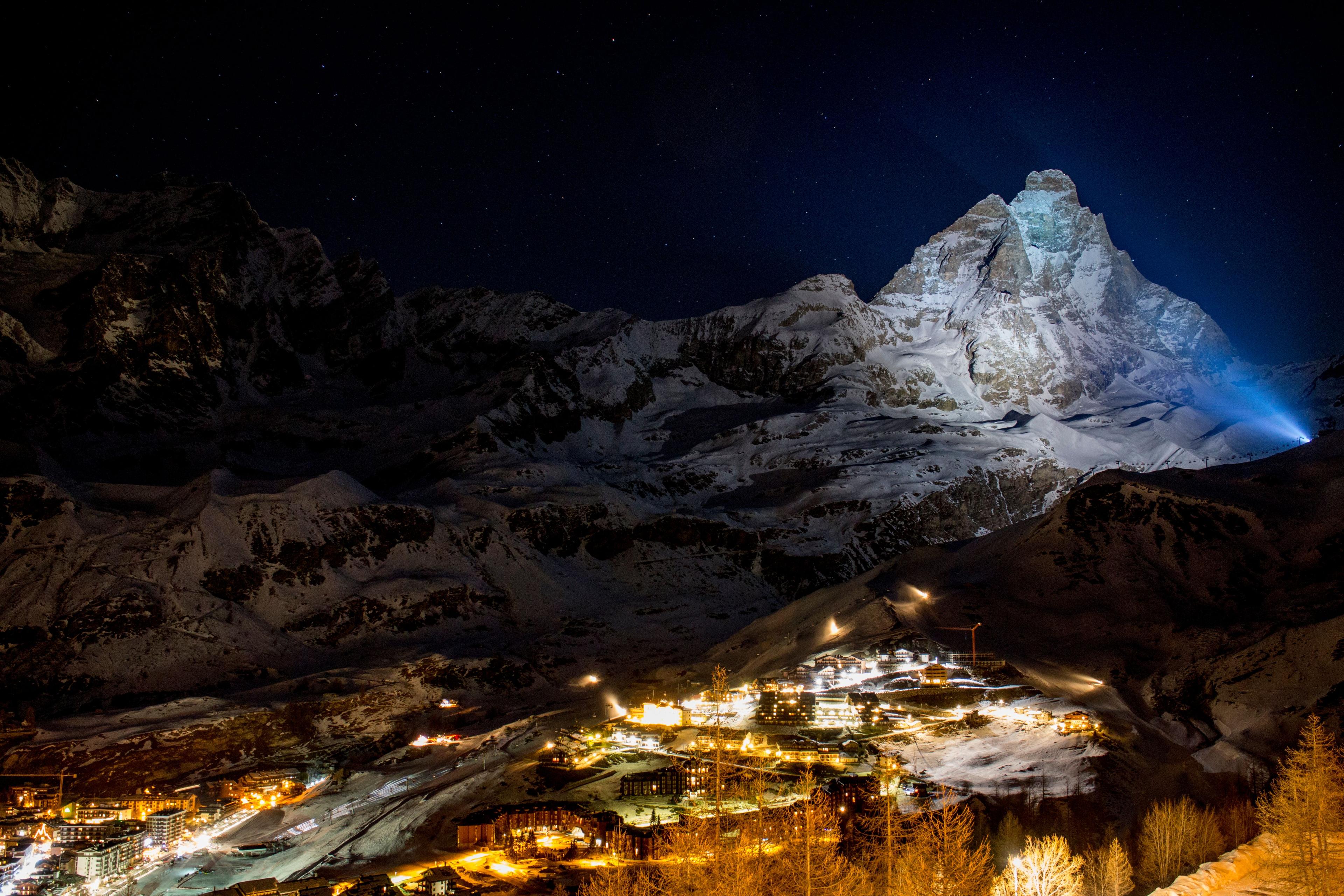
Image credit: Nicola Cornero CervinoSkiParadise_00305

Cervinia

Skill level: Beginner โ€“ IntermediateBest for Intermediates, Beginners, Snow-sure

Explore the slopes, discover where to stay and plan your next mountain escape.

BeginnerYear-round

157 km

Ski pistes

3,458 m

Top altitude

Beginner โ€“ Intermediate

Skiing

Explore resort stays

View holidays
Courmayeur

Skill level: Intermediate โ€“ AdvancedBest for Off-piste, Foodies, Experts

Explore the slopes, discover where to stay and plan your next mountain escape.

Off-piste

100 km

Ski pistes

2,755 m

Top altitude

Intermediate โ€“ Advanced

Skiing

Explore resort stays

Booking link coming soon

Bormio

Skill level: Intermediate โ€“ AdvancedBest for Intermediates, Experts, Couples

Explore the slopes, discover where to stay and plan your next mountain escape.

50 km

Ski pistes

3,012 m

Top altitude

Intermediate โ€“ Advanced

Skiing

Explore resort stays

Booking link coming soon

Compare ski resorts in Italy

Compare the Italian resorts we cover side by side, from ski area size and top altitude to who each resort suits and when the season runs. Piste figures are for each resort's local ski area; passes such as Dolomiti Superski open up far more terrain.

Ski resorts in Italy compared by pistes, altitude, ability and season
ResortRegionPistesTop altitudeBest suited toSeasonBook
Val GardenaSouth Tyrol181 km2,518 mAll levelsBest for Intermediates, Foodies, Mixed groupsDec - AprHolidays โ†—
Alta BadiaSouth Tyrol130 km2,800 mIntermediateBest for Intermediates, Foodies, FamiliesDec - Apr
CerviniaAosta Valley157 km3,458 mBeginner โ€“ IntermediateBest for Intermediates, Beginners, Snow-sureOct - MayHolidays โ†—
CourmayeurAosta Valley100 km2,755 mIntermediate โ€“ AdvancedBest for Off-piste, Foodies, ExpertsNov - Apr
LivignoLombardy115 km2,798 mBeginner โ€“ IntermediateBest for Beginners, Snowboarders, BudgetDec - MayHolidays โ†—
BormioLombardy50 km3,012 mIntermediate โ€“ AdvancedBest for Intermediates, Experts, CouplesDec - Apr
Cortina d'AmpezzoVeneto120 km2,930 mIntermediateBest for Intermediates, Luxury, FoodiesDec - AprHolidays โ†—
SestrierePiedmont80 km2,800 mIntermediateBest for Intermediates, Snow-sure, Mixed groupsDec - Apr

Holidays are offered by our booking partners; check the partner site for current availability.

Plan your trip

Travel information for Italy

Ski season
Early December โ€“ mid April (Cervinia from autumn to early May)
Flight time from the UK
About 2 hours to Milan, Turin, Verona or Venice
Main ski airports
Turin, Milan (Malpensa, Bergamo), Verona, Venice, Innsbruck (for the Dolomites)
Typical transfers
1h 30m โ€“ 4 hours
By train
Eurostar to Paris, then onward rail to Turin or Milan; or via Munich to Bolzano for the Dolomites
Currency
Euro (โ‚ฌ)
Language
Italian (German and Ladin also spoken in South Tyrol)
Time difference
UK +1 hour

Getting there

Italy's ski areas are reached via several airports, so pick the one closest to your resort.

By air

Turin is closest to the Milky Way and convenient for the Aosta Valley. Milan Malpensa and Bergamo serve the Aosta Valley, Livigno and Bormio. For the Dolomites, fly to Verona, Venice or Innsbruck in Austria. Flights from the UK take about 2 hours. Transfers range from about 1 hour 30 minutes, for example Turin to Sestriere, to 3 to 4 hours for the Dolomites or Livigno.

By train

From London, take the Eurostar to Paris and continue by rail to Turin or Milan, then connect by train and bus to the mountains. For the Dolomites, an alternative is to travel via Germany and Munich to Bolzano, Brixen or Bruneck, which have bus links to the ski valleys. The journey takes a long day; check routes and timetables before booking.

By car

Driving from Calais to the Aosta Valley takes around 10 hours via the Mont Blanc Tunnel. Italian motorways are tolled. Many mountain roads require winter tyres or snow chains on board in winter, and some high passes close after heavy snow.

When to go

The Italian ski season generally runs from early December to mid April. Cervinia opens earlier and stays open later thanks to its high glacier terrain.

Month by month

  • December: The Dolomites usually open in early December with good snowmaking. The Christmas and New Year holidays are busy.
  • January: Excellent value, with quiet slopes during the week and cold, settled weather.
  • February: Busier, with carnival holidays in some Italian regions and UK half-term. Weekends are always busier than weekdays in Italy.
  • March: Sunny and often snowy, one of the best months to visit. Easter falls on 28 March in 2027, so the end of the month is busier.
  • April: Spring skiing in higher resorts such as Cervinia and Livigno, often with lower prices. Lower resorts close after Easter.

Practical information

Lift passes

Italian lift passes are generally good value compared with France and Switzerland, though the big areas have become more expensive. A six-day adult Dolomiti Superski pass costs โ‚ฌ453 in high season for 2026/27, covering around 1,200 km of pistes. Buying online in advance can bring a small discount.

Helmets and insurance: Italian slope rules

From the 2025/26 season, Italian law requires everyone skiing or snowboarding on the pistes to wear a certified helmet, whatever their age. Third-party liability insurance is also compulsory for skiers and snowboarders on Italian pistes. It can usually be bought with your lift pass, or check whether your travel insurance includes it and carry proof. Fines and loss of your pass are possible if you are caught without either.

Healthcare

Your UK GHIC gives access to state healthcare in Italy, but it does not cover mountain rescue, helicopter evacuation or repatriation. Buy travel insurance that includes winter sports.

Money and language

Italy uses the euro, and cards are widely accepted, although some smaller mountain huts prefer cash. Italian is the main language; in South Tyrol, German is widely spoken and Ladin is spoken in valleys such as Val Gardena and Alta Badia. English is common in the bigger resorts.

On the slopes

Italian pistes are graded blue (easiest), red and black (hardest). Grooming is usually excellent, but some reds in the Dolomites can be steep. Never ski off-piste without the right avalanche equipment and, ideally, a qualified guide.

Ski resorts in Italy: FAQs

What is the best ski resort in Italy?

It depends on what you want. Val Gardena and Alta Badia are best for scenery and the Sella Ronda, Cervinia for snow-sure, high-altitude cruising, Cortina d'Ampezzo for style, and Livigno for value and families.

When is the ski season in Italy?

Most Italian ski resorts open in early December and close in mid April. High resorts such as Cervinia open from autumn and stay open into early May.

Do you have to wear a helmet to ski in Italy?

Yes. From the 2025/26 season, everyone skiing or snowboarding on Italian pistes must wear a certified helmet, whatever their age. You can hire one with your skis or boots in any resort.

Do I need insurance to ski in Italy?

Yes, third-party liability insurance is compulsory for skiers and snowboarders on Italian pistes. It can usually be added to your lift pass, or it may be included in your travel insurance; carry proof of cover. You should also have winter sports travel insurance.

What is the Sella Ronda?

The Sella Ronda is a circuit of linked lifts and pistes around the Sella massif in the Dolomites, passing through Val Gardena, Alta Badia, Arabba and Val di Fassa. It is about 40 km long, can be skied clockwise or anticlockwise, and takes confident intermediates most of a day.

Is skiing in Italy cheaper than France?

Often, yes. Lift passes, ski school, equipment hire and mountain restaurants are generally cheaper in Italy than in France's top resorts, though Cortina and Courmayeur are pricier. Livigno is duty-free, which helps keep costs down.

Which airport is best for Italian ski resorts?

It depends on the region. Turin is best for the Milky Way, Turin or Milan for the Aosta Valley, Milan or Bergamo for Livigno and Bormio, and Verona, Venice or Innsbruck for the Dolomites.

Official information sources

Content last reviewed .